
Prokta for Insurance
Heavy vehicle claims fast-tracked.
In hours, not weeks. AI damage detection and fraud checks on every photo, with a human surveyor signing off where it matters. JCBs, cranes, excavators and commercial fleets, without sending anyone to the site.
Policyholder gets an SMS or WhatsApp link, or uses your white-label app.
AI handles the routine cases. Surveyors decide the hard ones.
Heavy equipment, commercial vehicles and two-wheelers.
Every photo sealed at capture, with full chain of custody.
Physical surveys are slow and costly, and they can no longer trust the photos they get
Every claim waits on a surveyor's calendar, and the evidence that arrives is easier to fake than ever.
Days-long survey TAT
Scheduling a surveyor takes days. Customers wait, vehicles sit in garages, and satisfaction drops.
Remote sites, high cost
Cranes, JCBs and excavators sit at quarries, highways and project sites. Each visit is expensive.
Synthetic & recycled photos
AI-edited damage, photos of screens, and the same images reused across claims are all hard to spot by eye.
Inconsistent assessments
Two surveyors, two estimates. Without structured evidence, decisions are hard to audit or defend.
Built for heavy machinery and commercial fleets
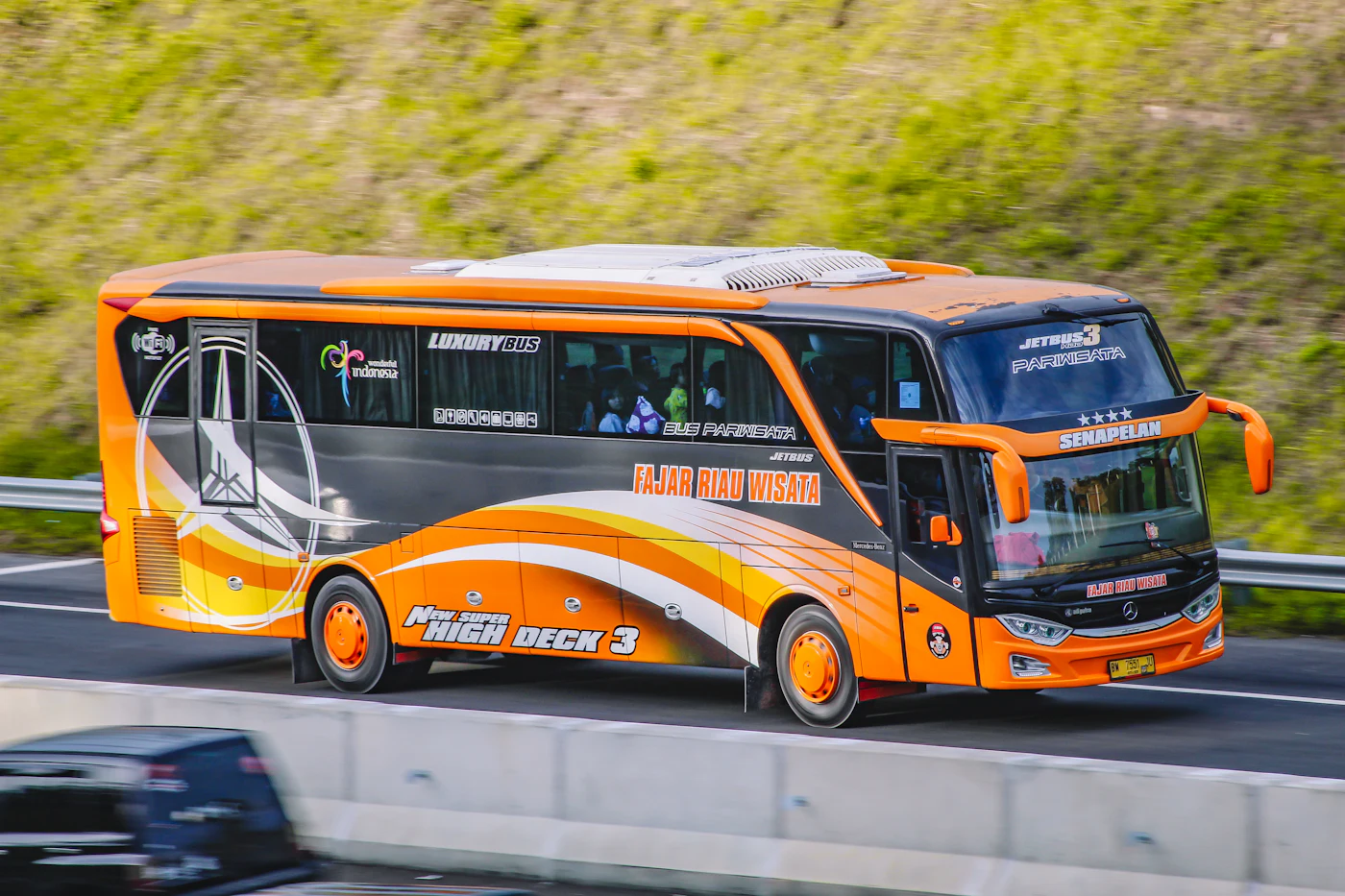
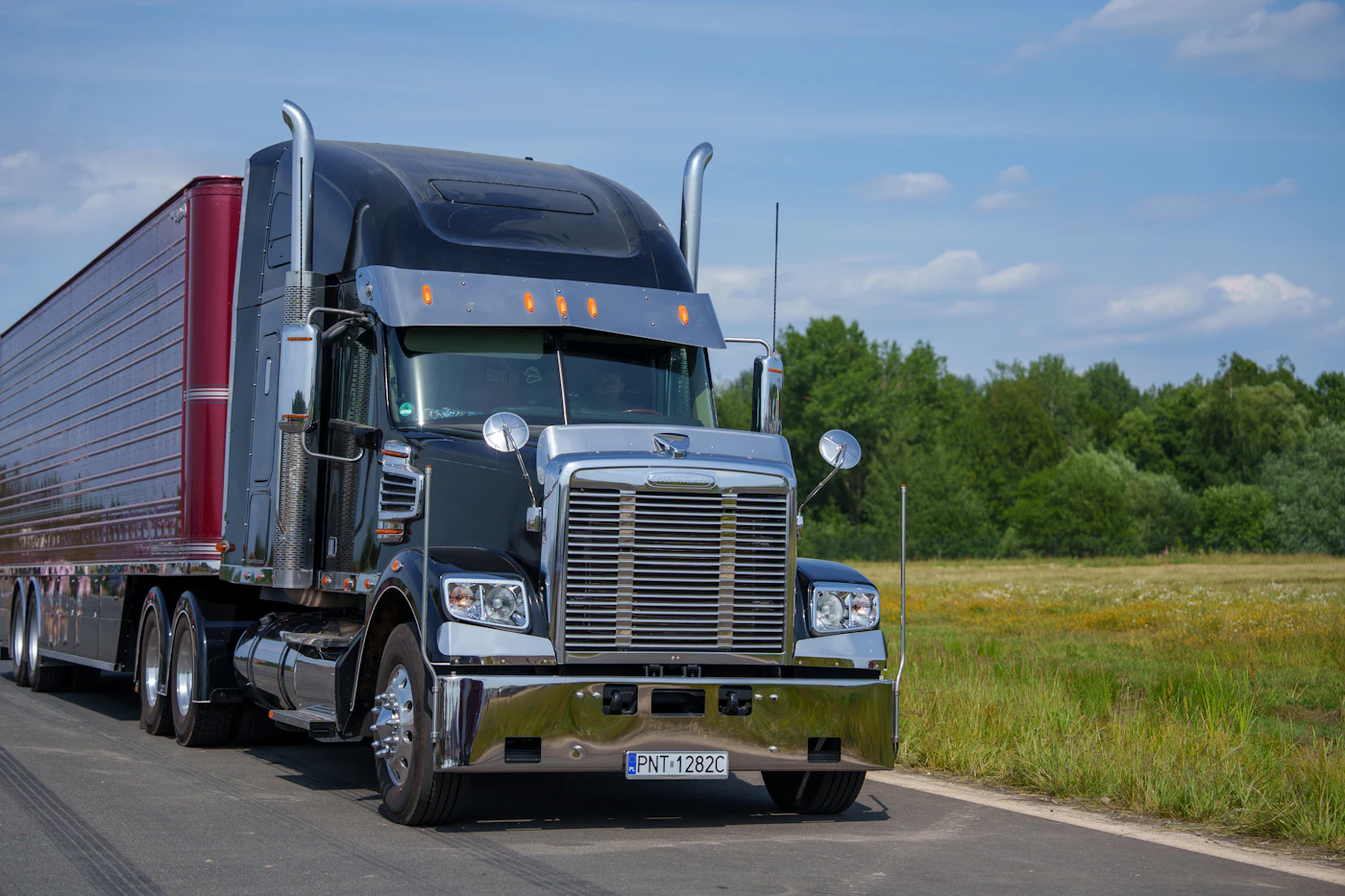
Remote inspection for construction equipment, material handling and commercial vehicles: excavators, backhoe loaders, cranes, loaders, forklifts, trucks, trailers, buses, vans and motorcycles. Capture guides and damage models for each asset class, each with its own checklist: serial and chassis plates, hour meter or odometer, hydraulics, attachments and key components.
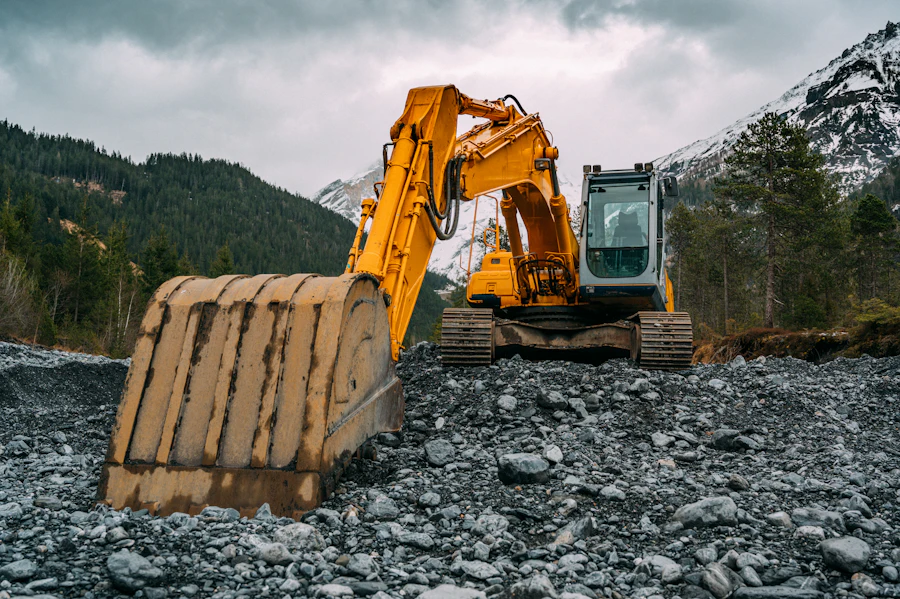
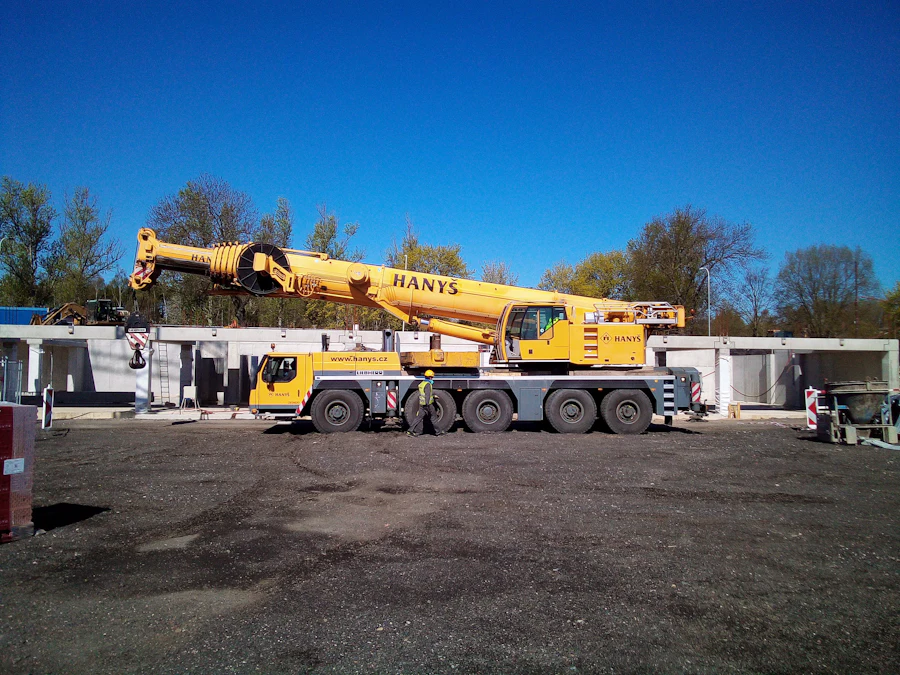
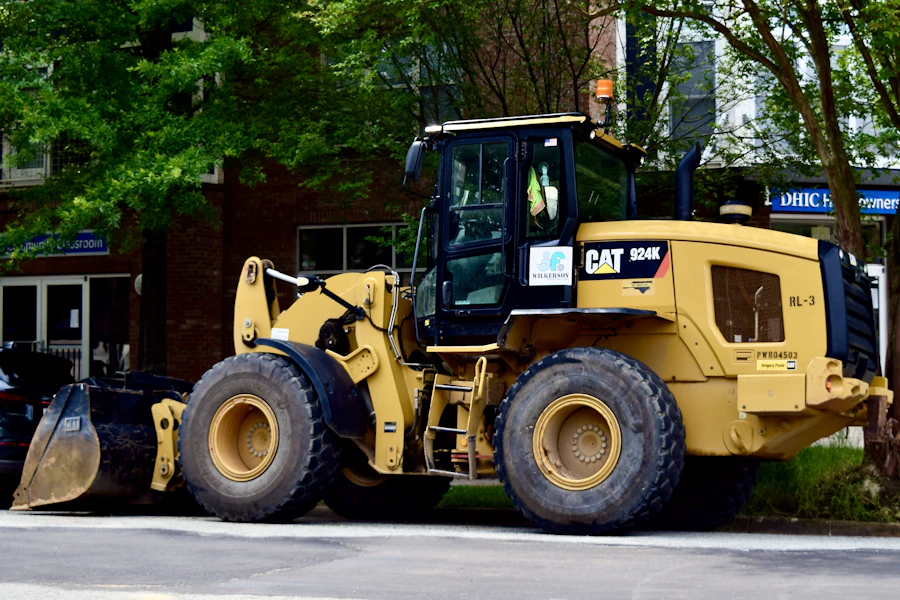
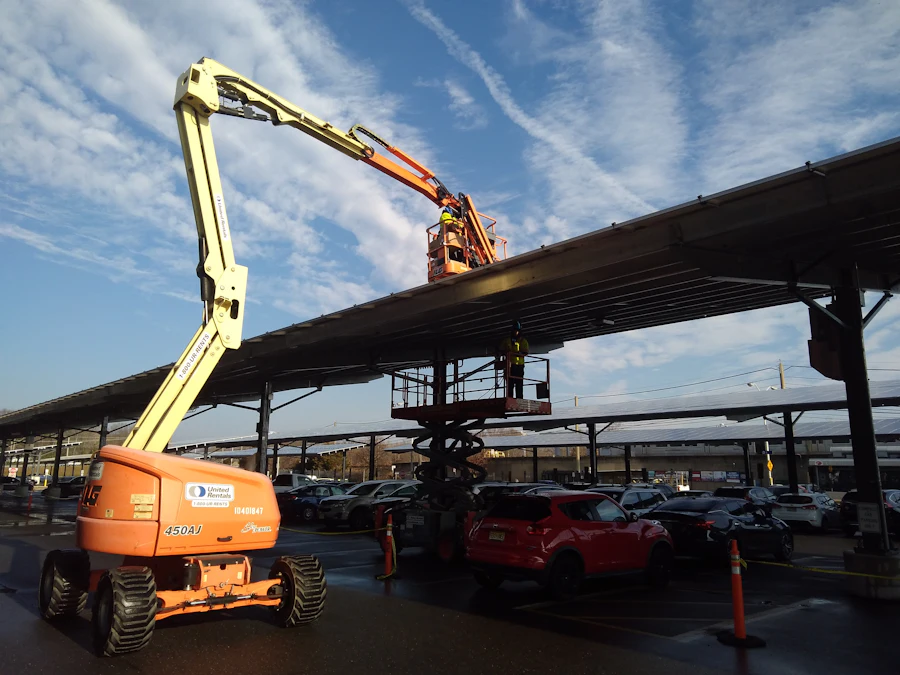
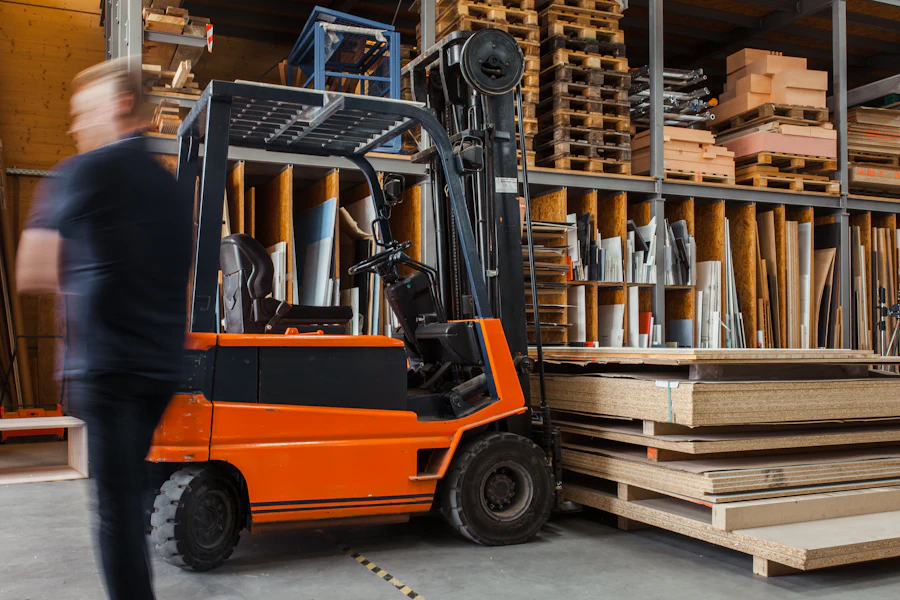
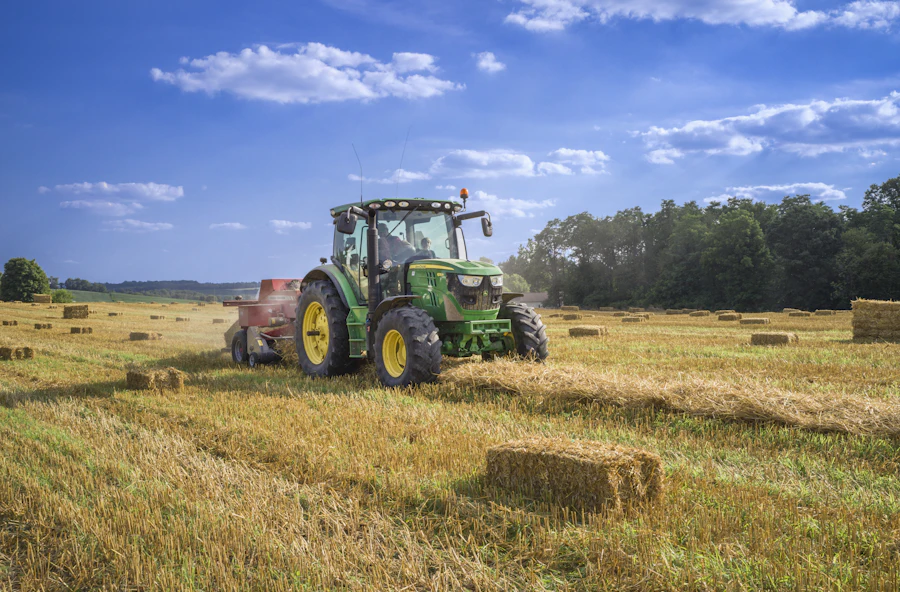
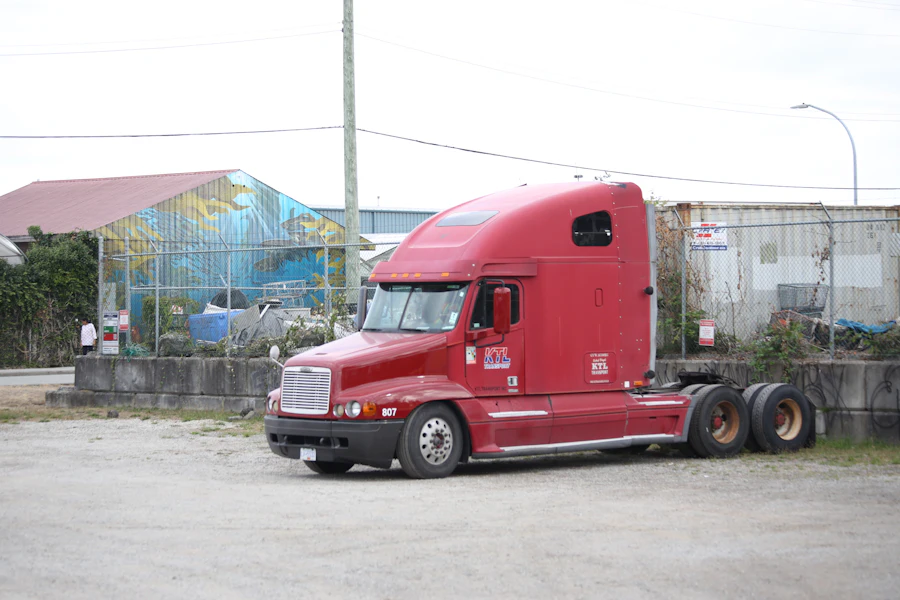
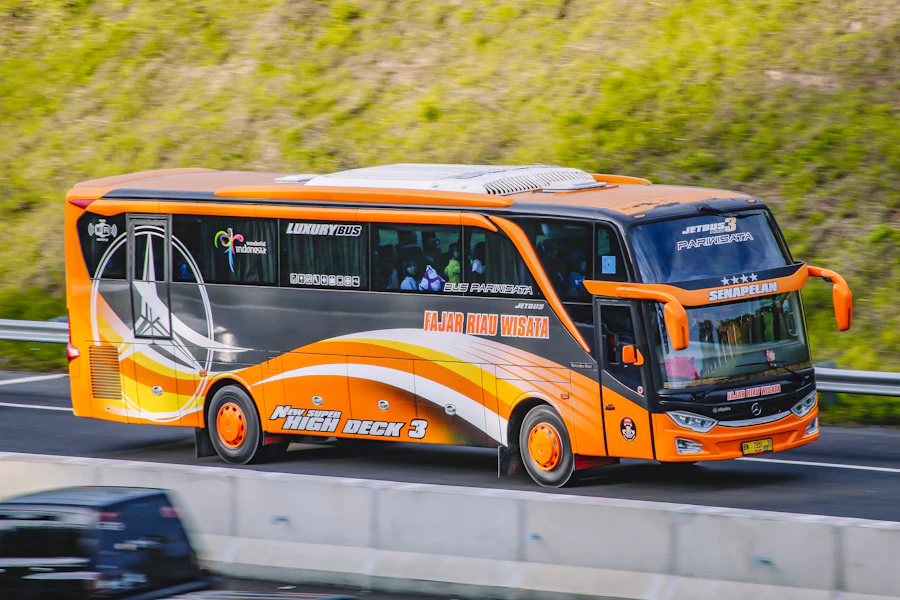
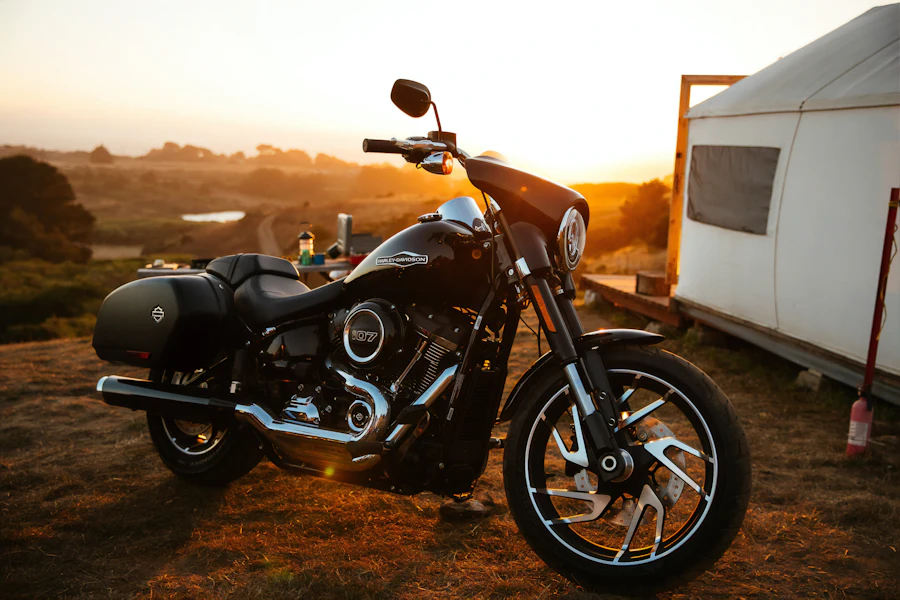
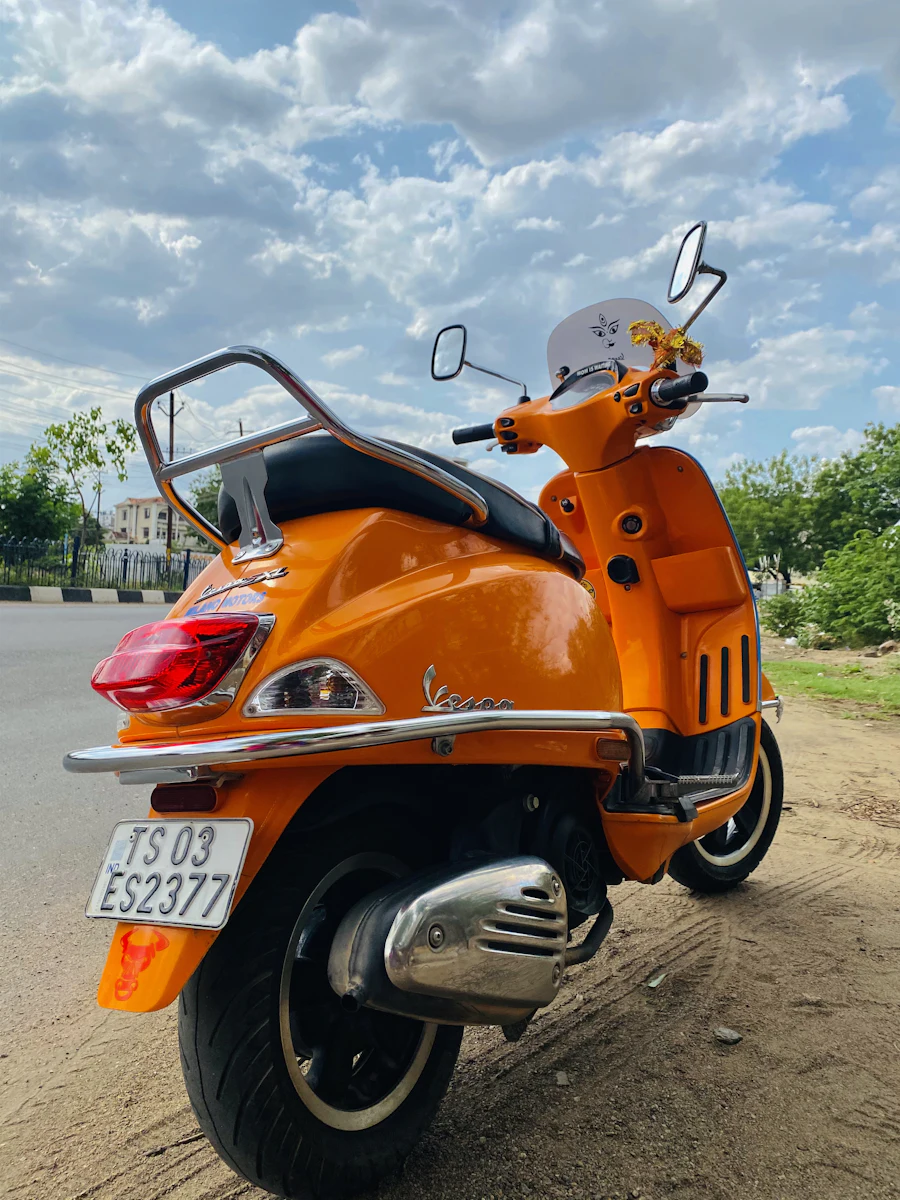
Vans, dump trucks, tippers, tankers, bulldozers, telehandlers, skid steers, transit mixers, road rollers, motor graders, reach stackers and gensets.
Across the policy lifecycle
Start with one workflow in a pilot, then extend the same evidence trail to the rest.
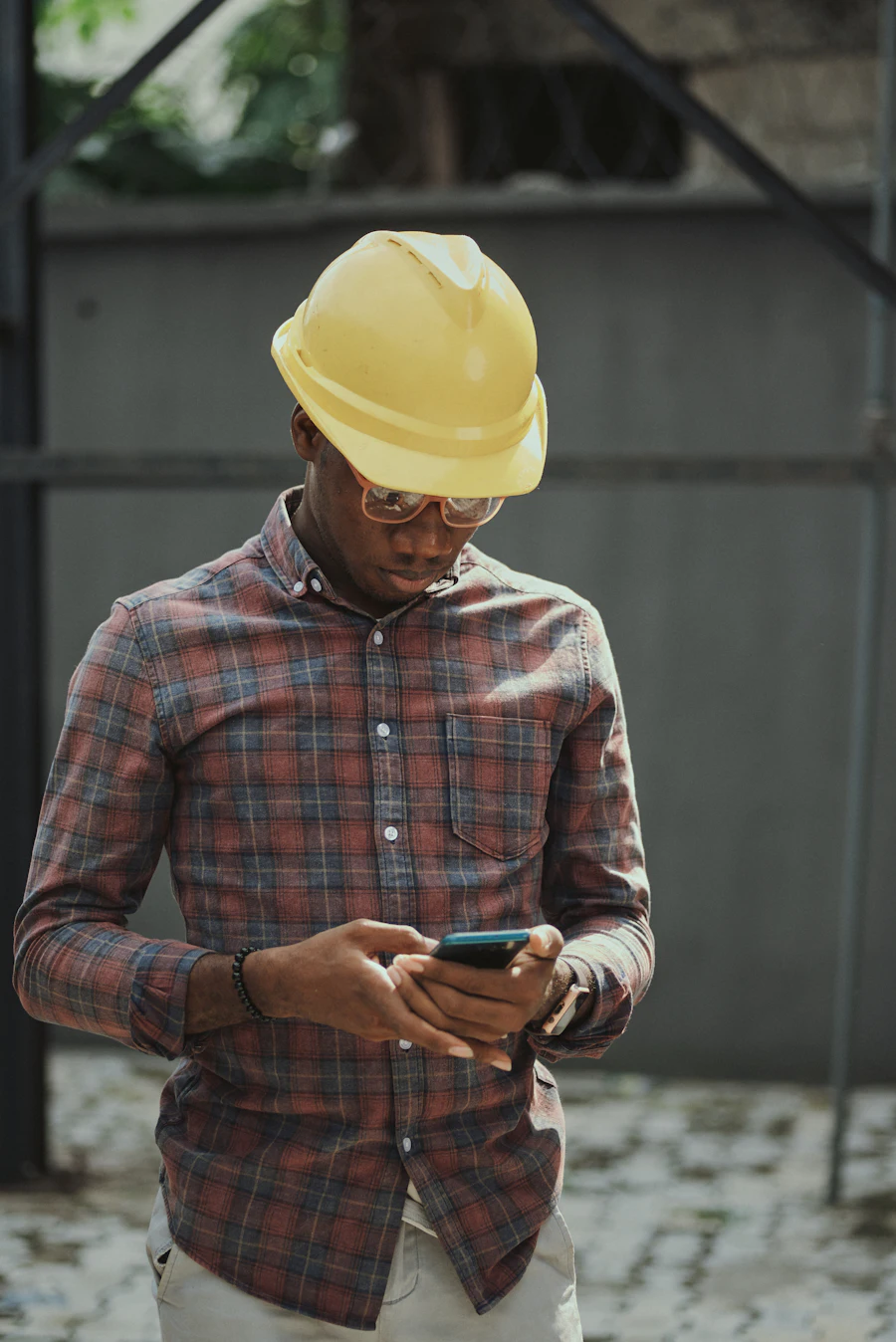
Pre-insurance & break-in inspection
Inspect machines and commercial vehicles before cover starts, or before a lapsed policy is renewed. Pre-existing damage is recorded and sealed, so it can't come back later as a claim.
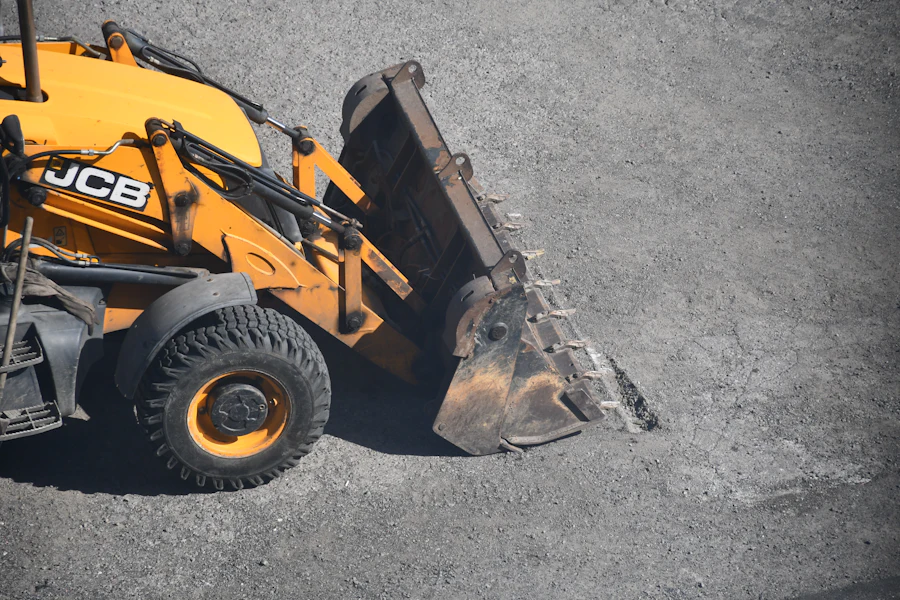
Remote claim survey
The driver or operator captures damage from first notice of loss onwards. AI marks the damaged parts and suggests repair or replace. A surveyor approves the estimate from the desk.
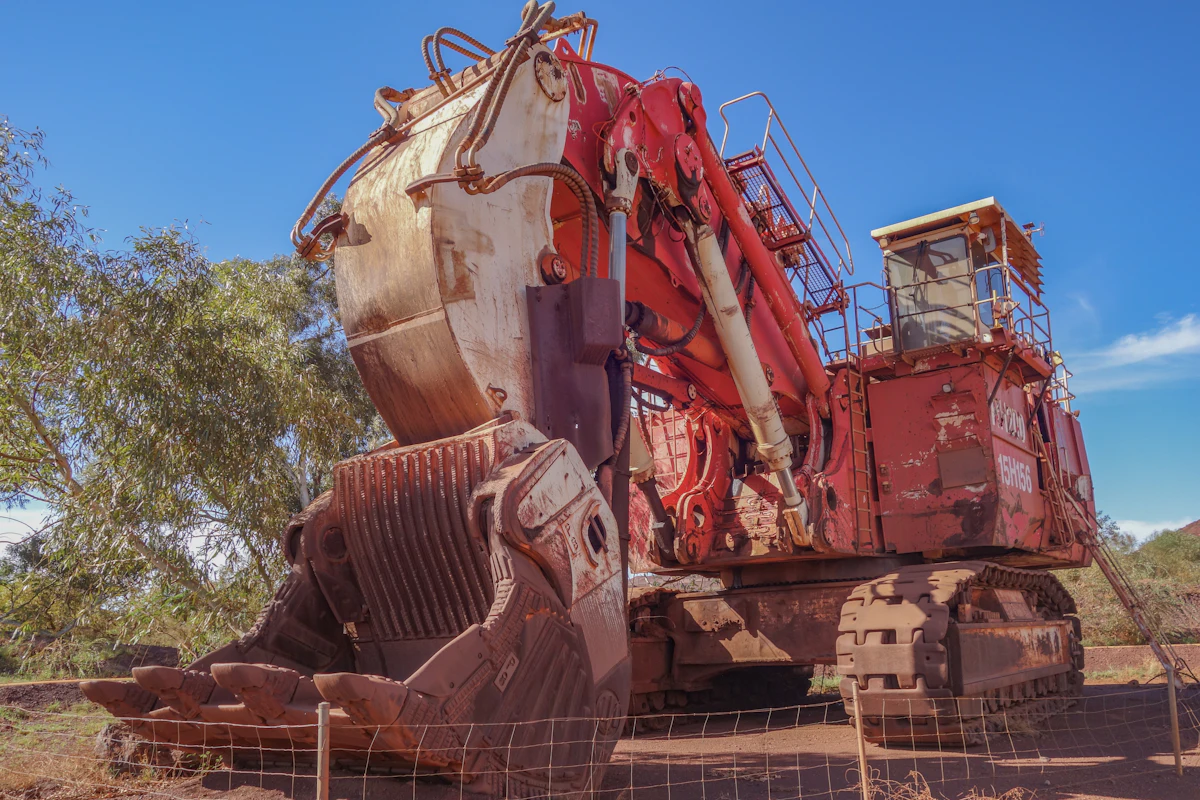
On-site machinery inspection
Operators capture the boom, bucket, hydraulics, tracks and hour meter, guided step by step. No surveyor has to travel to a quarry or project site.
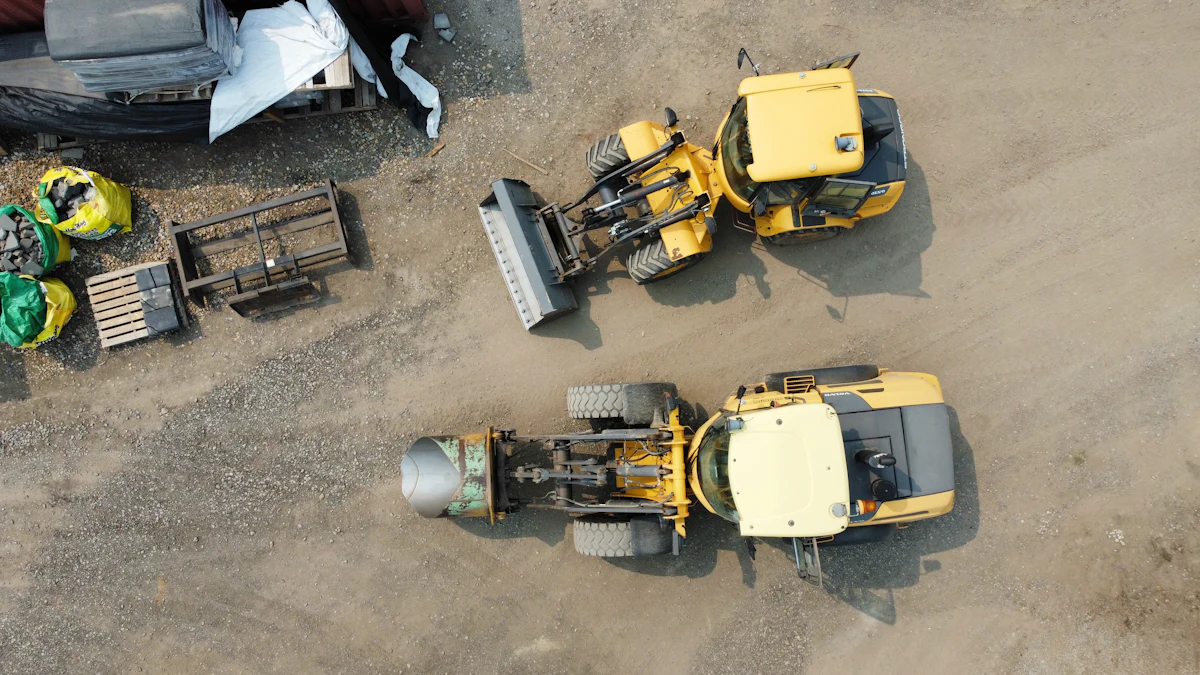
Equipment fleets, rentals & total loss
Run condition checks across contractor, rental and logistics fleets at renewal and at each rental handover. Document total losses with a complete, tamper-evident record for salvage.
Semi-automated by design. A human signs off on every hard call.
AI does the repetitive work: checking photo quality, finding damage, matching identifiers and screening for fraud. Your surveyors spend their time on judgment, not on travel or paperwork.
Send a link
From your claims system or by API. Delivered by SMS or WhatsApp, in the policyholder's language.
AutomatedGuided live capture
On-screen frames for each angle, the serial plate, the hour meter and a 360° walkaround.
PolicyholderAI analysis
Damage by part and severity, serial plate and chassis reading, cost estimate and fraud signals.
AISurveyor review
Flagged, high-value or low-confidence cases go to a surveyor, who can edit, approve, request re-capture or escalate.
Human in the loopSealed report
Audit-ready PDF and JSON pushed to your core system, with every decision traceable to its evidence.
AutomatedYou set the thresholds
Every case is routed by AI confidence, claim value and fraud risk, using rules your team controls. Start conservative with surveyors reviewing everything, then increase automation as the numbers prove out.
Every AI output can be explained and overridden, and surveyor corrections feed back into the models.
High confidence, low value, no fraud signals. Auto-approved within your limits, with spot-check sampling.
Flagged, high-value or ambiguous. A surveyor reviews the evidence remotely and decides.
Strong fraud indicators or major losses. Sent to a physical survey or your investigations unit.
Lane mix shown is illustrative. Your thresholds decide the split.
Your process, not ours. Build it without code.
Every insurer, product line and asset type works differently. Set up capture steps, AI checks, routing rules and approvals in a visual builder, and change them any time without waiting on a release.
Capture templates
Pick the shots, angles, documents and video for each asset type, from a forklift to a 200-tonne crane.
Rules & thresholds
Route on claim value, AI confidence, fraud score, asset type, region or policyholder history.
Approvals & SLAs
Multi-level sign-off, authority limits per surveyor, SLA timers and automatic escalations.
Languages & reminders
Instructions in the user's language, plus automatic SMS and WhatsApp nudges until capture is complete.
Integrations
Trigger from your claims or policy system, and push results back by webhook or API.
Versioning & audit
Every workflow change is versioned and logged, so you know which rules applied to each claim.
Built for the age of AI-generated evidence
Anyone with a phone can now add a dent, remove a scratch, or reuse last year's accident photos. Prokta checks every image for signs it was faked, edited or reused before anyone relies on it.
CLM-24-0918 · Box truck · 22 images · 1 video
- Live in-app capturePASS
- AI-generated / AI-edited imageCLEAN
- Photo of a screen or printoutCLEAN
- Same image used in another claimMATCH · 2023
- Capture location vs. reported accident site24 MI OFF
- VIN & plate vs. policy scheduleMATCH
- Damage present at inception inspectionPARTIAL
AI-generated & edited images GENAI
Detects synthetic images and AI-inpainted damage, such as a dent added or a scratch removed.
Deepfake video GENAI
Checks walkaround videos for frame tampering, splicing and synthetic segments.
Screen & print re-capture
Flags photos taken of a monitor, phone screen or printed photo instead of the real machine.
Recycled evidence
Matches images against earlier claims, including near-duplicates that have been cropped, flipped or filtered.
Location & time consistency
Compares GPS location and device clock with the reported incident. Detects GPS spoofing.
Identity mismatch
Reads serial plates, chassis and engine numbers, and matches them to the policy schedule and registration records.
Pre-existing damage
Compares claim photos with the sealed photos taken when the policy was issued, to separate old damage from new.
Staged & inflated claims
Flags damage that doesn't fit the reported incident, and patterns across repairers, agents and claimants.
Heavy equipment inspection & claims survey report
A survey report that holds up. Structured, consistent and defensible: in front of a customer, an ombudsman or a regulator.
- Part-level damage map with severity and a repair or replace recommendation.
- Cost estimate based on your parts and labor rate cards.
- Fraud score with reasons so your team can see why a case was flagged.
- Named surveyor sign-off with every edit to the AI output logged.
- Tamper-evident seal on every photo, covering device, GPS, time and a cryptographic hash.
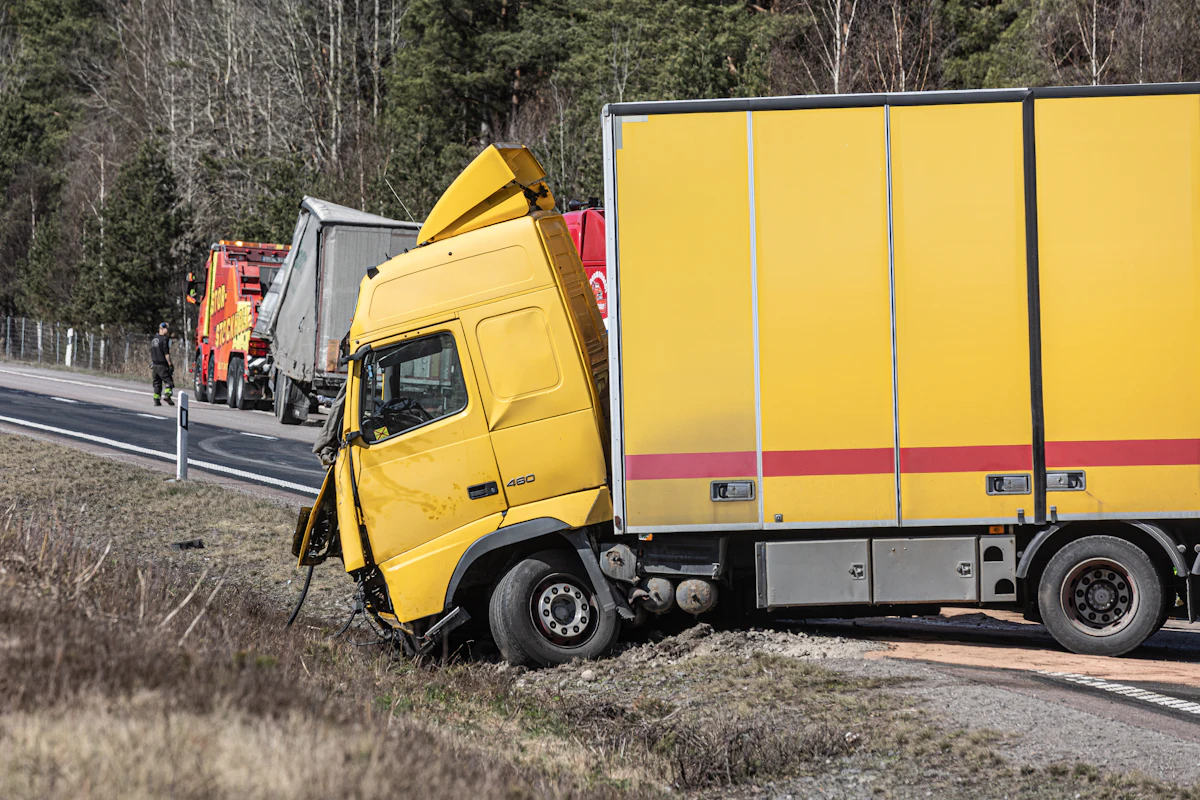
Each remote inspection produces a damage assessment report your claims team, loss adjusters and repairers can act on: photo evidence, a repair vs. replace call for every part, and a parts and labor estimate. It covers contractor's equipment and inland marine claims, commercial auto and fleet claims, and pre-insurance condition surveys.
CLM-24-1107 · Backhoe loader
| Part | Damage | Action | Est. ($) |
|---|---|---|---|
| Dipper arm | BENT | Replace | 6,800 |
| Cab glass (LH) | CRACKED | Replace | 1,450 |
| Rear tire (RH) | CUT | Replace | 2,100 |
| Front bucket | WEAR | Excluded | - |
Illustrative sample. Values are not from a real claim.
About the report
What's included in a remote inspection report?
Asset details and serial plate, time-stamped and location-tagged photos and video, part-level damage with severity, a repair or replace recommendation, a parts and labor estimate, fraud checks with reasons, and the surveyor's sign-off. It's delivered as a PDF for people and JSON for your claims system.
Will the report hold up in a dispute?
It's built to be defensible. Every photo is sealed at capture with device, GPS, time and a cryptographic hash, and every AI output and surveyor edit is logged. How evidence is treated depends on your jurisdiction and process, so we're happy to walk your legal and claims teams through the audit trail.
Can we use our own repair rate cards and report format?
Yes. Estimates use your parts prices and labor rates, and the report layout, fields and branding can match your existing survey format.
Fits into your claims stack, not around it
API & webhooks
Create inspections from your core system and receive results by webhook. Works alongside your existing claims platform.
White-label capture
A white-label app in your brand, with guided, step-by-step capture instructions in the user's local language. Works on low-end Android phones and over patchy networks.
Surveyor console
Work queues, side-by-side comparison with the inception photos, one-click re-capture requests and approvals.
Chain of custody
Each photo is hashed and sealed at capture. Any later change is detectable, and every access is logged.
Data locality
Supports data locality, so evidence can be stored in your region. Role-based access and configurable retention, built to work with local data privacy laws.
Privacy by default
Faces and bystanders' number plates are blurred automatically in shared reports.
Questions insurers ask us
Does this replace our surveyors?
No. It removes the travel and paperwork. Surveyors review the cases that need judgment from a desk, so each one handles more claims. You decide which cases are fast-tracked and which always get a human.
What if the policyholder isn't tech-savvy?
The capture flow opens from an SMS or WhatsApp link. It guides each shot with on-screen frames and works in regional languages. An assisted mode lets a garage, dealer or agent capture on the policyholder's behalf.
How do you detect AI-generated or edited photos?
Defence in layers. Capture is live-only, and each photo is sealed on the device the moment it's taken. On top of that, models look for signs of synthetic generation, inpainting and screen re-capture, and every image is compared against earlier claims. One signal alone doesn't reject a claim. Flagged cases go to a human with the reasons attached.
Can it tell the difference between dirt and actual damage?
Yes. Heavy machines are rarely clean, so the models are trained to separate surface dirt, mud, grease and dust from real damage such as dents, cracks, cuts, rust and paint loss. They look at shape, depth, reflections and edges, not just colour. When the AI isn't confident, it asks for a close-up or a re-capture after wiping the area, or routes the case to a surveyor.
Can it handle heavy equipment like cranes and excavators?
Yes. Each machine type has its own capture checklist covering the boom, bucket, hydraulics, tracks, outriggers, hour meter and serial plate, so an operator on site can capture what a surveyor needs.
How long does a pilot take to set up?
A pilot can run on a standalone link and console with no integration. Pick one line of business and a few hundred inspections, and we compare turnaround time, cost and fraud catch against your current process.
Run a 2-week pilot on your own claims
Pick one line of business, such as construction equipment, cranes or commercial vehicle fleets. We'll set it up and measure the results against your current process.